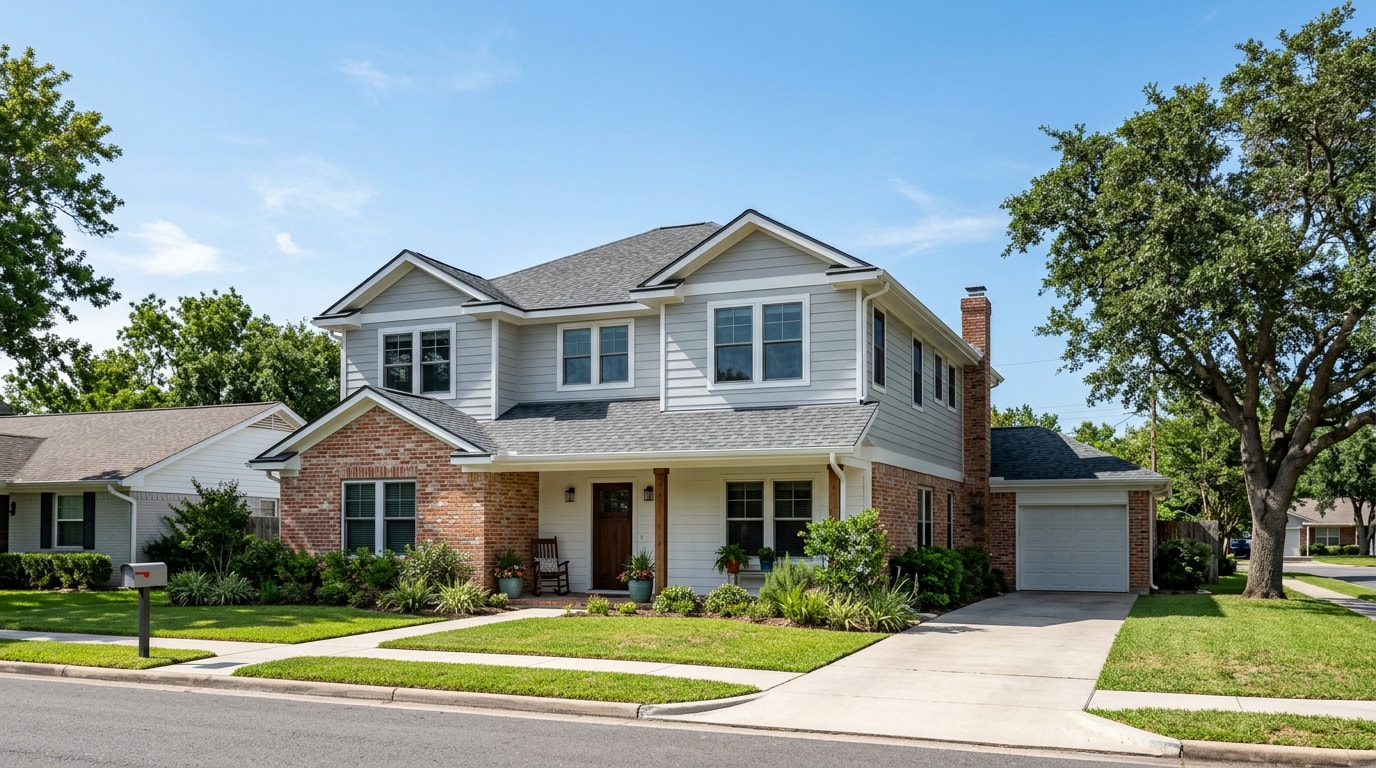
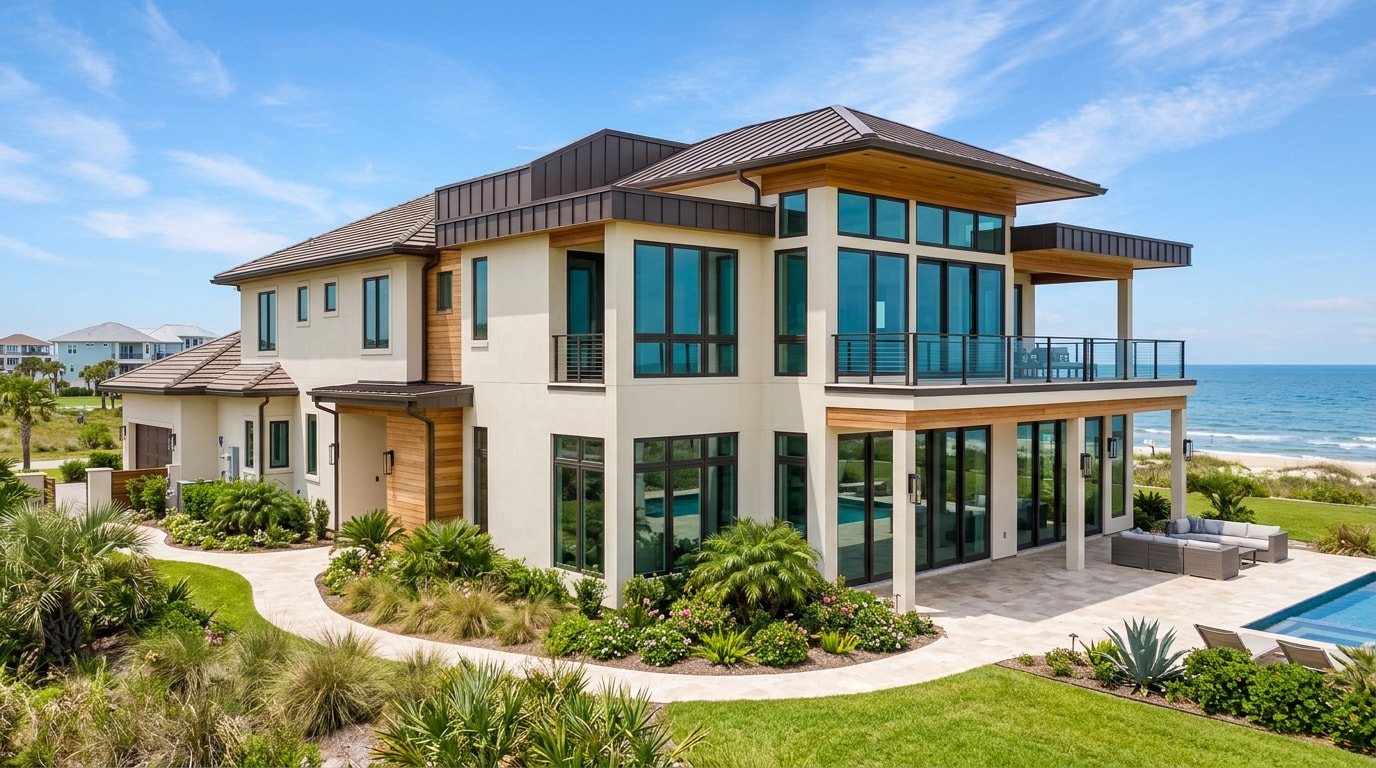
Luxury home additions in Corpus Christi, TX let you stay on the lot, street, and school zone you already love while adding the primary suite, second story, or sunroom your current floor plan can't fit. Homes here can sit on the market for months, so expanding often pencils out better than moving. The part most guides skip: everything you build also has to survive Gulf wind, salt air, and Texas windstorm inspections.
This guide covers what separates a true luxury addition from a standard one, what it costs by size and finish tier, and the coastal-specific permits a Corpus Christi project needs that an inland remodel never sees.
What Makes a Home Addition "Luxury" in Corpus Christi?
A builder-grade addition is functional: a bedroom, a single vanity bath, a reach-in closet. A luxury addition is designed to be lived in, not just added on.
Here, that usually means:
- A primary suite with a sitting area, a spa-style bathroom, and a walk-in closet sized for two wardrobes
- Natural stone or quartz counters, custom cabinetry, and upgraded tile instead of builder-grade finishes
- Hurricane-rated impact windows and doors instead of standard glazing, since the addition still has to meet the same wind-load code as the rest of the house
- Zoned HVAC so the new square footage doesn't just lean on the existing system
Finish choices like cabinet installation and countertop installation are what actually separate "extra room" from "retreat." The structure and the code compliance are the same either way.
Addition Types That Add the Most Space and Value
Not every lot or budget calls for the same solution. Here's how the common options stack up.
Primary Suite Additions
This is the clearest luxury upgrade on the list. A builder-grade version gets you a bedroom and a basic bath. A luxury version adds a soaking tub, a walk-in shower, dual vanities, and a closet built for two people instead of one.
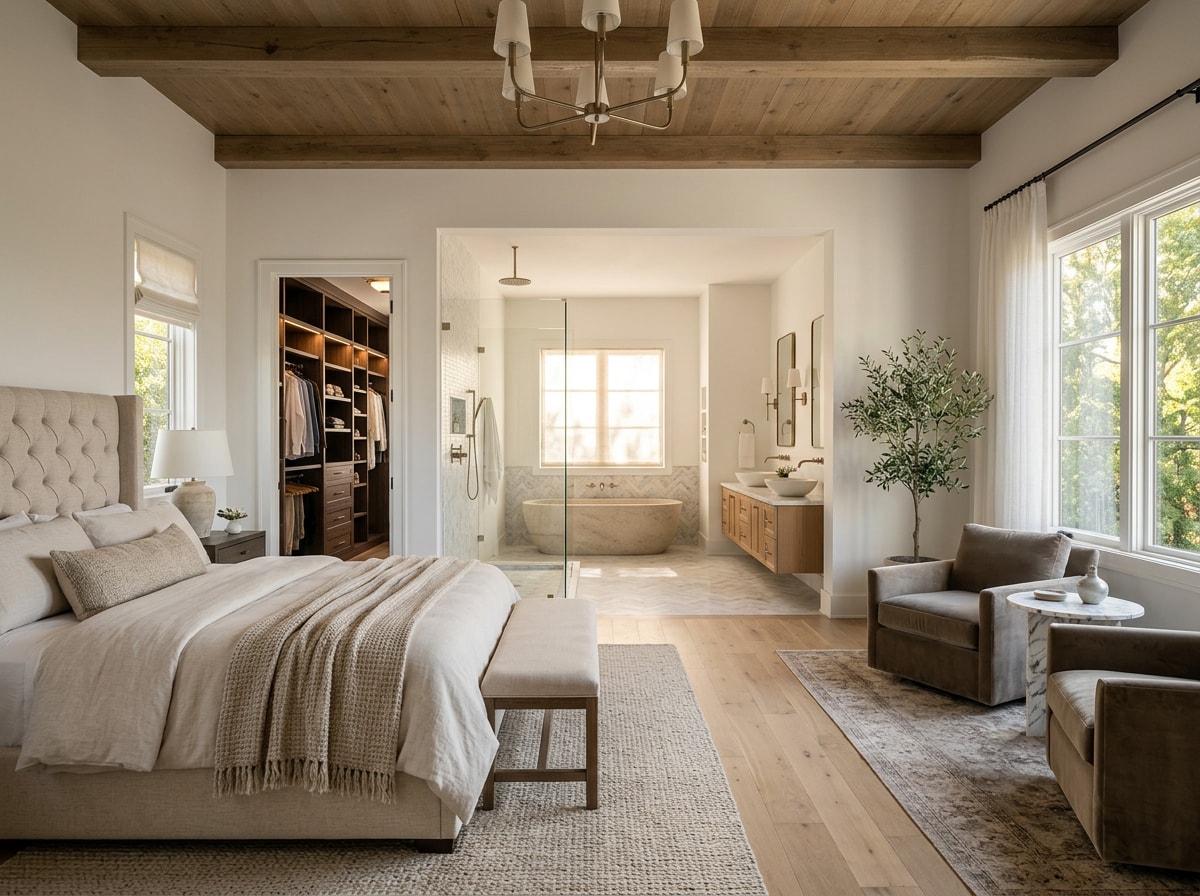
Pairing the suite with a full bathroom remodeling scope, rather than a bare-bones bathroom, is usually what pushes the project from "addition" to "retreat."
Second-Story Additions
Building up adds significant square footage without touching your lot's footprint, which matters on the smaller, oddly shaped lots common in older Corpus Christi neighborhoods. But it's a structural question first and a style question second: the existing foundation and first-floor framing have to be evaluated, and often reinforced, to carry the new load.
In a coastal wind zone, that structural review carries extra weight. FEMA's residential coastal construction guidance explains why load paths and connections matter more here than in an inland build. For a deeper look at the build-up-versus-build-out decision, see our guide on second story addition contractors in Portland, TX.
Garage Conversions
A garage conversion is one of the more cost-effective ways to gain real living space, since the slab, roof, and structure are usually already in place. Turning it into a guest suite, home gym, or studio mainly means adding plumbing, HVAC, and wiring to make it comfortable year-round.
Sunrooms and Enclosed Patios
A sunroom or enclosed patio lets you use the Gulf Coast sunshine without the direct heat, humidity, or wind. Because it's semi-conditioned space rather than a full structural build-out, it typically costs less per square foot than a true room addition.
Bump-Outs and Dormers
Not every lot has room for a full addition. A bump-out can extend a tight kitchen or bathroom by a few feet without triggering the same structural and permitting complexity as a full addition. A dormer does the same for an attic, turning dead space into a bedroom or office nook.
What Drives the Cost of a Luxury Addition Here
Addition costs in Corpus Christi generally run $120 to $241 per square foot, with standard-grade construction at the lower end and premium-grade finishes pushing toward the top. Luxury-grade work, with high-end fixtures, custom millwork, and more complex structural scope, can run up to roughly double that upper figure.
| Finish Tier | Typical $/sq ft | What's Included |
|---|---|---|
| Standard | $120–$150 | Basic drywall, builder-grade fixtures, minimal structural rework |
| Premium | $150–$241 | Upgraded flooring, custom cabinetry, better window packages |
| Luxury | $241–$480+ | High-end plumbing fixtures, custom millwork, complex structural work (second-story framing, expanded HVAC zoning) |
Size matters as much as finish level. Here's how typical Corpus Christi addition costs break down by footprint:
| Addition Size | Square Footage | Estimated Cost Range |
|---|---|---|
| 12x12 | 144 sf | $17,000–$35,000 |
| 20x20 | 400 sf | $48,000–$96,000 |
| 20x30 | 600 sf | $72,000–$144,000 |
| 20x40 | 800 sf | $96,000–$193,000 |
| 25x40 | 1,000 sf | $120,000–$241,000 |
These ranges are a starting point. The specific site conditions, flood zone, and finish list on your project will move the number, which is why a free estimate matters more than a flat average.
Coastal Code Requirements Most Guides Skip
This is where a Corpus Christi addition differs from almost anywhere inland, and it's the part that catches homeowners off guard mid-project.
Windstorm certification (WPI-8). Nueces County sits in a designated catastrophe area under the Texas Windstorm Insurance Association. New additions, enlargements, and most window or door replacements tied to the project need inspection and certification to the applicable windstorm building code before you can get wind and hail coverage through TWIA. The Texas Department of Insurance's windstorm inspection program page covers who needs it and how the inspection timing works. Skip it, and a future wind claim on that addition can be denied even with visible damage.
Elevation certificates. If your lot sits in a flood hazard area, the City requires an elevation certificate with the building permit application, along with plan review to confirm the new floor elevation meets minimum finished-floor requirements.
Engineered wind-load design. Window, door, and wall assemblies in the addition have to meet the wind-speed rating for your specific zone, whether that's Inland I, Inland II, or the Seaward zone. This is one more reason to loop in a licensed contractor before you fall for a window package that isn't rated for your address.
If your addition includes new glazing, pair the structural plan with properly rated products through window replacement or exterior door installation rather than retrofitting standard units after the fact.
Permits and the Build Process, Start to Finish
A Corpus Christi addition typically needs several permits working together, not just one building permit.
- Building permit – confirms the project meets structural code and zoning requirements through the City's Development Services Dynamic Portal
- Electrical permit – covers new or extended wiring to the National Electrical Code (NFPA 70)
- Plumbing permit – required whenever water or sewer lines are extended or modified
- WPI-1/WPI-8 windstorm paperwork – required for new construction or substantial alterations, submitted alongside the building permit
The City of Corpus Christi's residential remodels and repairs guidance lists the exact documentation needed for additions, including site plans, floor plans, and foundation plans.
Once permits clear, construction generally moves through these stages:
- Site prep and foundation work
- Framing and roofing
- Windstorm inspection(s) during framing, before anything gets covered up
- Insulation, utility rough-in, and inspections
- Drywall, flooring, and finish carpentry
- Final walkthrough and WPI-8 issuance
Most homeowners can expect construction itself to run several weeks to a few months once permits are approved, depending on size and complexity. Finish work like interior painting happens at the tail end, which is also where the "luxury" finish level actually becomes visible.
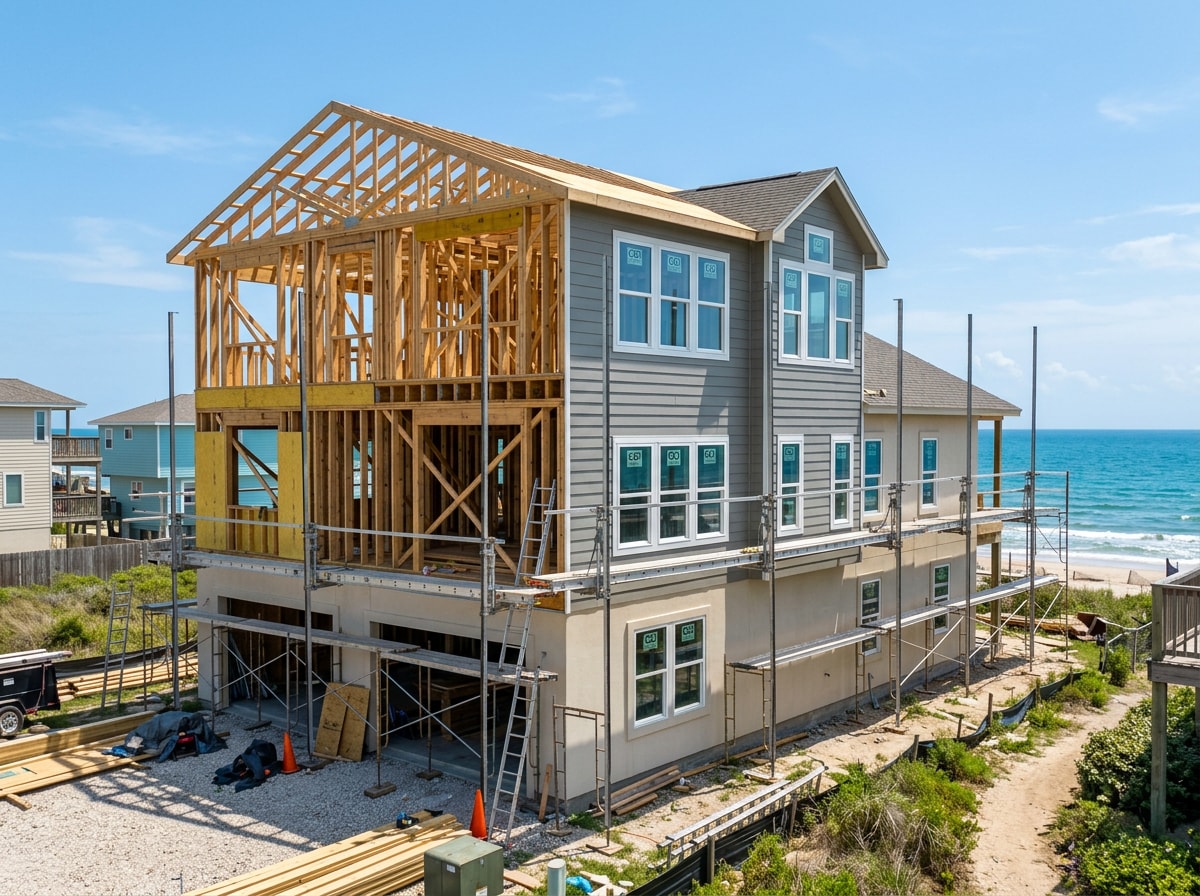
We've built additions across the Coastal Bend and consistently see the same thing trip up DIY-adjacent projects: the windstorm inspection has to happen while the framing is still exposed. Cover it up too early and you're paying to open walls back up.
Is It Cheaper to Build Up or Build Out?
It depends on your lot, not just your budget. Building out (a ground-floor addition) usually costs less per square foot because it skips the structural reinforcement a second story demands. Building up makes more sense when the lot is tight, the yard is small, or you want the elevation change for drainage and views.
Either direction needs the same windstorm and foundation review before a shovel goes in the ground. Homeowners in Flour Bluff weighing a similar space question for outdoor living may also want to compare a sunroom build against a full conditioned addition.
Ready to see what your specific lot, flood zone, and finish list actually cost? Request a free estimate and get numbers specific to your address instead of a national average.
FAQ
How much does a luxury home addition cost in Corpus Christi, TX?
Home addition costs here typically run $120 to $241 per square foot for standard-to-premium work. Luxury-grade construction, with higher-end fixtures and more complex structural scope, can run up to roughly double that upper figure. A 1,000-square-foot addition at standard-to-premium grade runs about $120,000 to $241,000 before luxury finishes are added.
Do I need a windstorm certificate for a home addition?
Yes, in most cases. Nueces County is in TWIA's designated catastrophe area, so new additions and most enlargements need to be inspected and certified (WPI-8) to the applicable windstorm building code to qualify for wind and hail coverage. Check current requirements on the TDI windstorm program page.
What permits are needed to build an addition in Corpus Christi?
A building permit, an electrical permit if wiring is added or extended, a plumbing permit if water or sewer lines are touched, and windstorm paperwork (WPI-1/WPI-8) submitted with the building permit. If your lot is in a flood hazard area, an elevation certificate is also required.
Is it cheaper to build up or build out?
Building out usually costs less per square foot since it avoids the foundation and framing reinforcement a second story requires. Building up makes more sense on small or oddly shaped lots where there isn't room to expand the footprint.
How long does a home addition take from permit to finish?
Permitting timelines vary, but construction itself typically takes several weeks to a few months once permits are approved, depending on size, finish level, and whether the project needs a second-story structural upgrade.
Does a home addition increase property value in Corpus Christi?
Additions generally add usable living space and can support a higher resale price, though return on investment varies by project type and local market conditions at the time of sale. A primary suite or additional bedroom tends to matter more to local buyers than a cosmetic-only upgrade.
What problems does a custom home addition actually solve?
Most homeowners start looking into an addition once their layout can't support daily life anymore: not enough bedrooms, no real home office, or a kitchen too small for how the family actually uses it. A custom addition solves that without the disruption, cost, and uncertainty of selling in a market where homes can sit for months. Browse the areas we serve near Corpus Christi, including Flour Bluff, Portland, and Calallen, to see which service area fits your project, or visit our homepage to start planning.