Second story addition contractors in Portland, TX help Coastal Bend homeowners add real square footage without giving up yard space, but building up only pays off when your lot, budget, and local permitting line up. This guide breaks down when a second floor beats a ground-level addition, what Portland's permit and floodplain rules actually require, and what cost and timeline to expect in 2026. Here's how to make the right call before you hire anyone.
Second-Story Addition vs. Ground-Level Expansion: Which Fits Your Lot
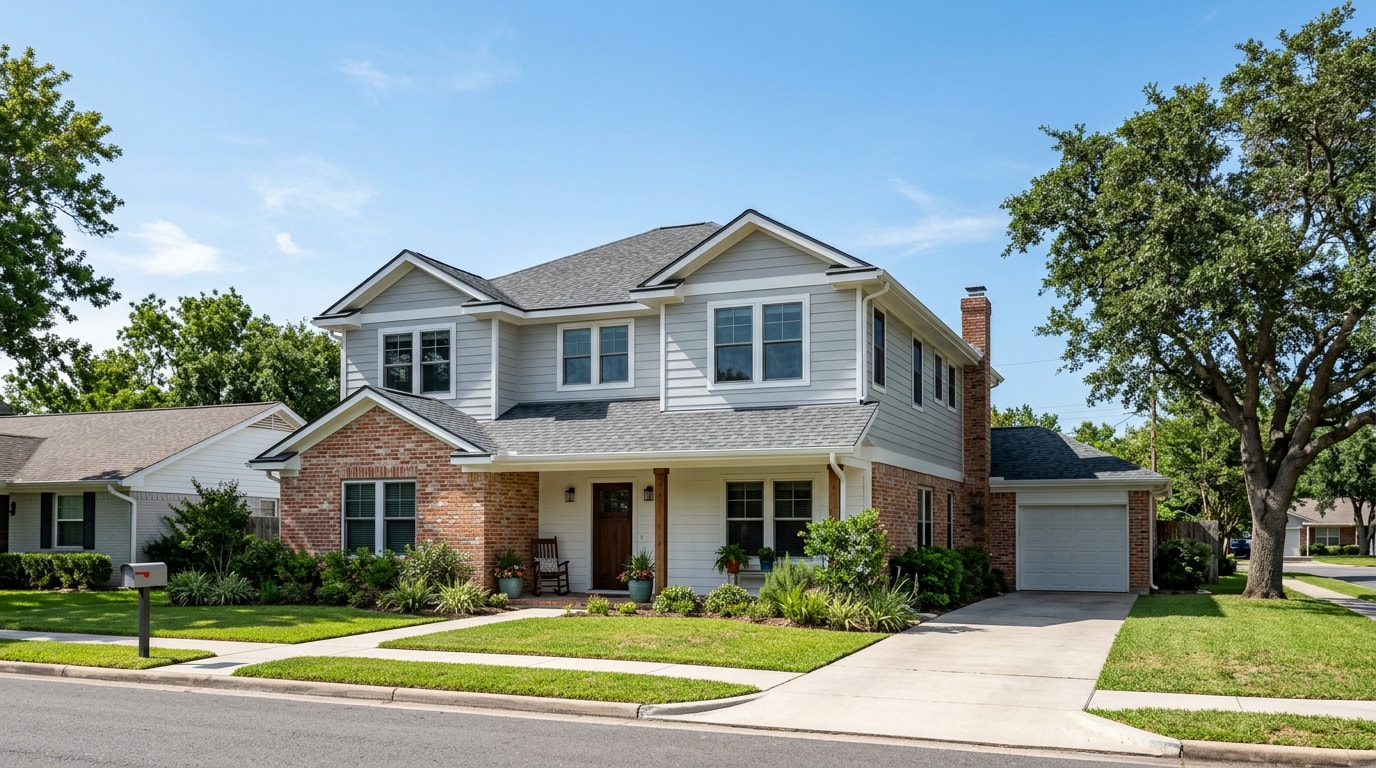
The core decision usually comes down to this: a second-story addition adds living space without touching your footprint, while a ground-level addition pushes your home's edges outward into the yard. The right choice depends on lot size, budget, and how much disruption your household can handle during construction.
There's no universal winner between a second-story addition and a ground-level addition. Building up tends to cost more per square foot because of structural reinforcement, temporary roof removal, and more complex staging, but it preserves yard space on tight Coastal Bend lots. Building out is often faster and cheaper, provided you have the room and the setbacks allow it.
When a Second-Story Addition Makes the Most Sense
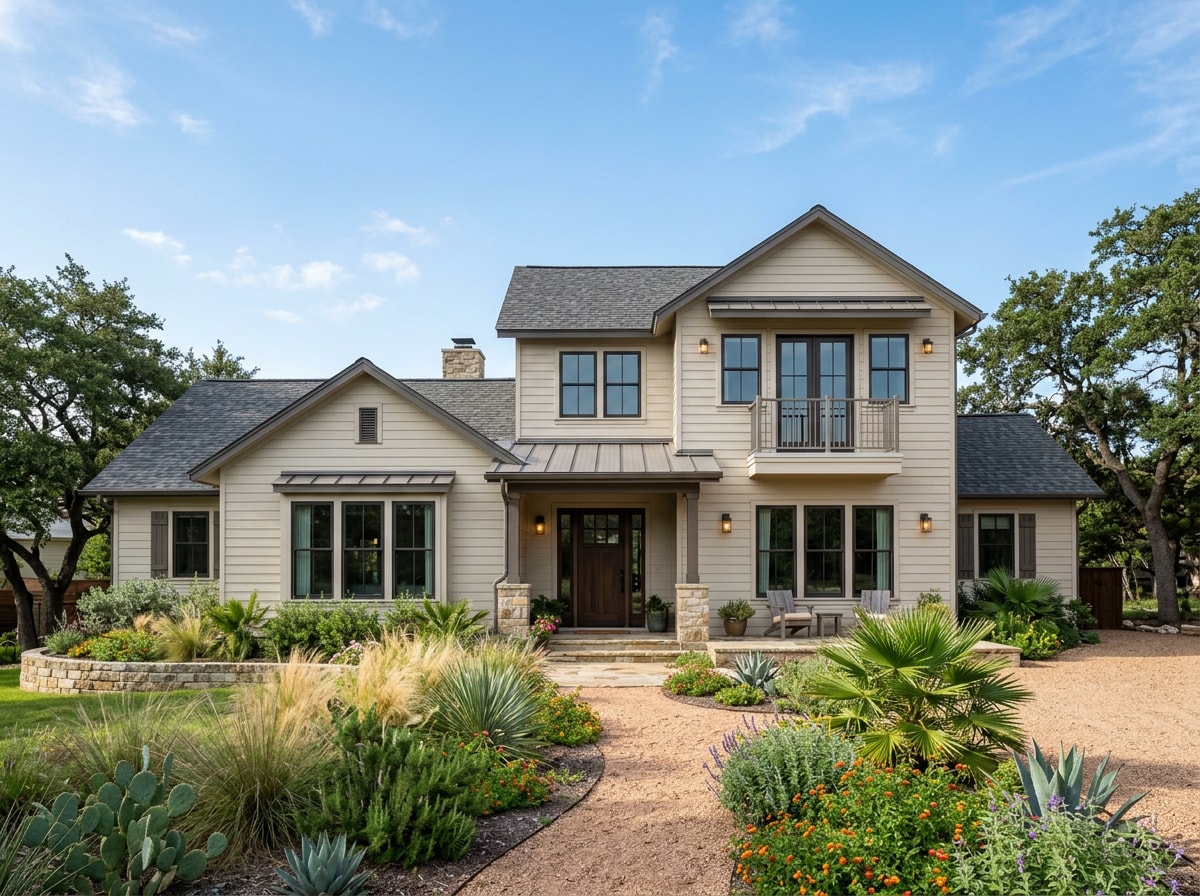
A second story makes the most sense on small or narrow lots where there simply isn't room to build outward without eating into the yard, a setback, or a driveway. It's also the better fit when you want extra bedrooms or a primary suite without sacrificing outdoor living space.
Homeowners typically choose this route for more privacy from the street, better views, and the ability to maximize square footage without expanding the footprint. A good design-build team handles the structural engineering, permitting, framing, roofing, and interior finish work as one coordinated project rather than a patchwork of separate contractors.
When a Ground-Level Addition Makes the Most Sense
If your lot has room to spare and you'd rather avoid removing part of your roof mid-project, a ground-level addition is usually the lower-stress option. It skips the structural upgrades a second floor requires and keeps construction confined to one level, which many families prefer if they're living in the home during the build.
A standard room addition also suits homeowners who want single-story living long-term: no stairs, easier aging-in-place design, and simpler mechanical runs. In the Coastal Bend, a single-story expansion still calls for careful material choices. Humidity-resistant framing, proper vapor barriers, and exterior materials rated for salt air are worth discussing with your builder before finishes are chosen.
Portland, TX Permits, Setbacks, and Floodplain Rules
Before either path becomes real, local rules get the final say. Permitting is a step in the building approval process and is the tool that the City uses to ensure planned construction meets all applicable codes and regulations.
Permits are required to erect, alter, or enlarge any structure, including swimming pools and fences, and to install, alter, repair, or replace any electrical wiring, plumbing, or mechanical equipment.
Portland's permit list specifically calls out room additions, roof work, and adding or relocating a wall as triggers, alongside projects like garages, driveways, and window changes. A qualified contractor who knows the local permitting office will flag conflicts early, before you've paid for architectural drawings that don't fit your lot. For project-specific requirements, see our Portland, TX service area details.
What Your Plans Must Show
Plans must show the property lines, location of the buildings in relation to the property lines, all easements, and setback lines. That means your contractor needs an accurate survey before design work even starts, not after. Skipping this step is one of the most common reasons homeowners end up redesigning a second-story addition mid-permit.
Floodplain Development Permits in San Patricio County
Portland sits in San Patricio County, and parts of the surrounding unincorporated area fall under the county's floodplain rules. Any party undertaking development within the unincorporated areas of San Patricio County must obtain a floodplain development permit prior to the work commencing. Even if your specific lot is inside city limits and handled through Portland's own Development Services office, it's worth confirming your flood zone designation before you finalize a design, since elevation requirements can affect foundation work on an addition.
What a Portland, TX Second-Story Addition Contractor Actually Handles
A design-build contractor experienced in second-story work manages far more than framing. That includes structural engineering review, architectural design, permit submission, and coordinating every trade from foundation inspection through final finishes. The team at Revitalizing Renovations approaches additions this way because a second story that isn't engineered and permitted as one project tends to surface problems later, usually at the worst possible time.
Primary Suite Additions for Your Private Retreat
One of the most popular reasons homeowners add a second story is a primary suite addition: a private retreat with a spa-style bathroom, walk-in closet, and a quiet sitting area above the main living space. As a second-story bedroom suite, it adds real resale appeal without touching your yard.
Cost and Timeline Reality in 2026
Second-story additions in the Coastal Bend typically run higher per square foot than ground-level builds because of structural upgrades, temporary roof removal, and more complex staging. Ground-level additions usually move faster since crews aren't reinforcing an existing structure to carry new loads above it.
| Addition Type | Typical Cost per Sq Ft | Typical Timeline |
|---|---|---|
| Second-story addition | Higher | 4–7 months |
| Ground-level addition | Moderate | 2–4 months |
These ranges shift based on design complexity, permitting delays, and material availability, so treat them as a starting point rather than a quote. Foundation condition, how much of the existing roof needs removal, and whether your plumbing and electrical can extend to a second floor all move the number more than finish selections do. Ready for site-specific pricing? Get a free estimate from our Portland, TX design-build team before you commit to a layout.
Structure and Engineering: What Hurricane-Zone Additions Require
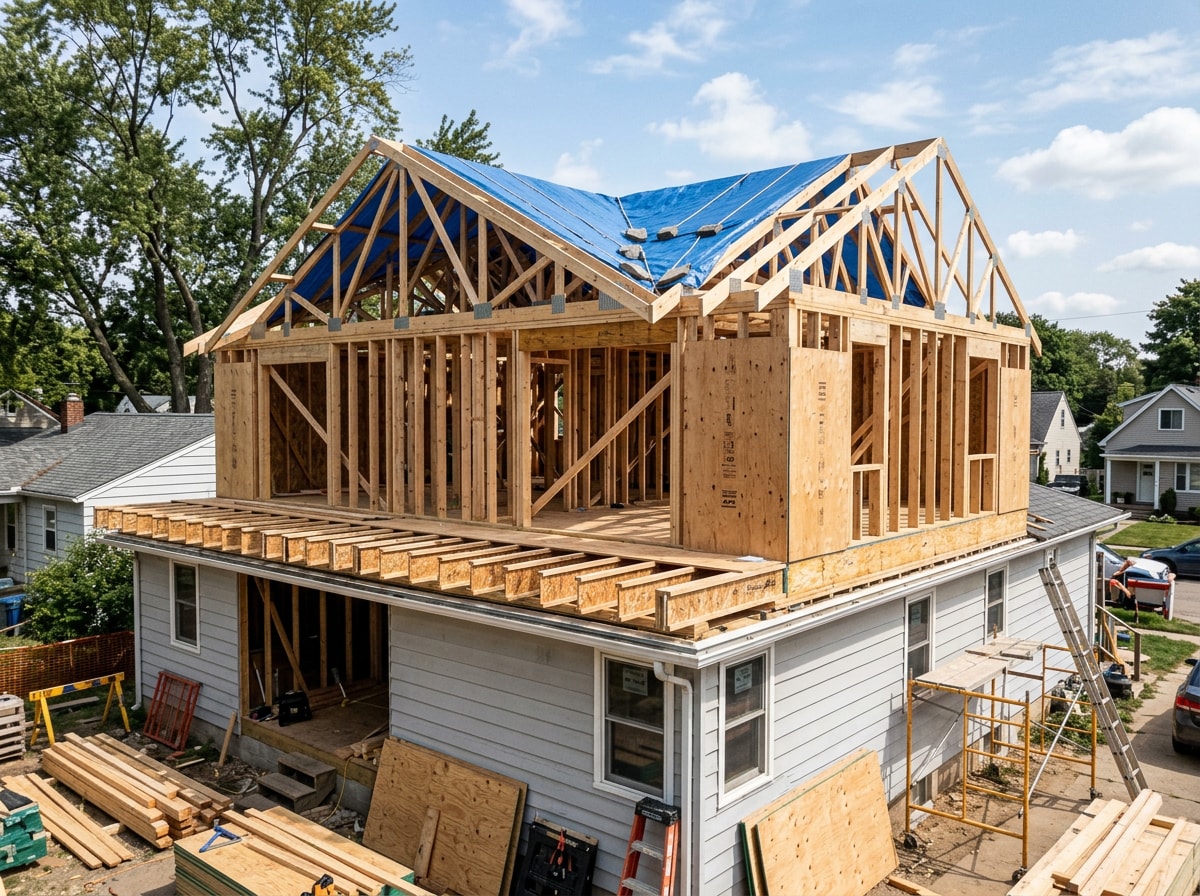
Unlike regions where seismic bracing drives structural decisions, Portland, TX sits in hurricane country, so the real engineering focus here is wind-uplift resistance, not earthquake load. A structural engineer reviewing a second-story addition checks that the existing foundation and framing can handle both the new weight above and the lateral forces from high wind events.
FEMA produced a series of 37 fact sheets to provide technical guidance and recommendations concerning the construction of coastal residential buildings, aimed at improving the performance of buildings subject to flood and wind forces. The core idea engineers design around is a continuous load path: connections from roof sheathing to framing, roof to wall, wall above to below, and wall to foundation that work together to resist and transmit wind uplift and lateral shear loads to the ground.
Hurricane straps, hold-down connectors, and bolts help transfer loads from the building's walls to its foundation, increasing resistance to vertical and horizontal pressures acting on the building from wind, waves, or ground movement.
Flood-elevation requirements may also apply depending on your property's location relative to local floodplain maps. These checks aren't optional paperwork. They're what keeps a second story standing through the next tropical storm season.
Design, Neighbors, and Resale in Close-In Portland, TX
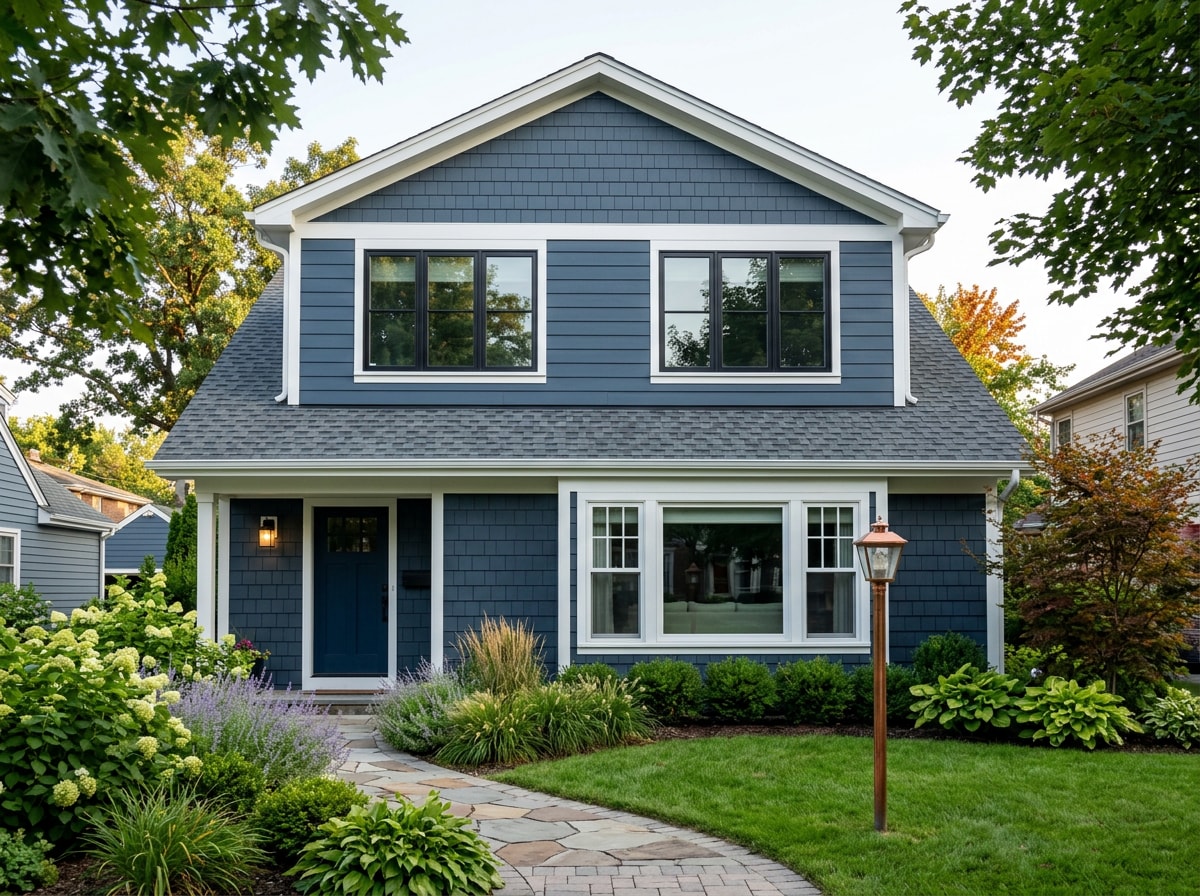
A second story that matches your home's existing roofline and proportions tends to blend in rather than look bolted on, and that matters for both your neighbors' sightlines and your home's resale value. Buyers and appraisers generally respond better to additions that read as original construction rather than an obvious add-on.
Neighborhood fit also affects privacy. Window placement that avoids looking directly into a neighbor's yard goes a long way toward keeping goodwill intact during and after construction. Thoughtful design integration protects your investment long after the crew leaves.
How to Choose a Second-Story Addition Contractor: 7 Steps
Deciding how to decide is often the hardest part. This framework walks through what matters most before you ever sign a contract.
- Check your lot's zoning, setbacks, and permit requirements with Portland's Development Services office.
- Set a realistic budget range for either option, with room for permitting and engineering fees.
- Get a structural feasibility assessment, including coastal soil and wind-code factors.
- Define your design goals: bedrooms, a primary suite, or shared living space.
- Vet contractors on licensing, insurance, and local project history, not just price.
- Confirm the permitting process and realistic timeline in writing before work starts.
- Sequence construction around your household's needs, especially if you're living in the home during the build.
Step 5 deserves extra attention. Our guide to hiring a general contracting company in Portland, TX covers the licensing and vetting questions worth asking before anyone touches your roof.
FAQ
Quick answers to common questions before you hire.
Is It Cheaper to Build Up or Build Out for a Home Addition?
It depends on lot size, your foundation's condition, and local setback limits. Ground-level additions are often cheaper per square foot, but tight lots that can't absorb a bump-out without violating setbacks frequently make a second story the only workable option.
Do I Need a Permit for a Second-Story Addition in Portland, TX?
Yes. Room additions, new or relocated walls, and roof work all require a permit through the City's Development Services office before construction starts, and your plans must show property lines and setbacks.
How Long Does a Second-Story Addition Take in the Coastal Bend?
Most second-story additions run 4 to 7 months from permitting through final finishes, compared to 2 to 4 months for a typical ground-level addition. Weather delays and permitting backlogs can push either timeline.
How Do I Find the Right Second-Story Addition Contractor?
Verify licensing and insurance first, then review a portfolio of completed projects similar to yours. Ask specifically about second-story experience, since structural engineering and permitting requirements differ significantly from single-story work.
Does a Second-Story Addition in Portland, TX Need to Meet Special Wind or Flood Codes?
Yes. Coastal Texas construction has to account for wind uplift and, depending on your property's flood zone, elevation requirements. A structural engineer should confirm roof-to-wall connections and foundation adequacy before framing begins.
Who Are the Top Homebuilders in Texas?
Statewide rankings don't tell you much about a specific addition project. What matters more is a builder's local experience, structural engineering track record, and familiarity with your city's permitting office and wind-load codes.
Conclusion
Building up or building out both have their place. The right call depends on your lot, your budget, and what Portland's permitting office and San Patricio County's floodplain rules allow. A qualified second story addition contractor in Portland, TX will walk you through permits, structural needs, and realistic cost before any contracts are signed. Ready to find out which option fits your property? Get a free estimate from our team to start the conversation.