Hiring roof builders in Corpus Christi, TX takes more than comparing price quotes, because every project here also has to clear the state's windstorm inspection program before an insurer will cover it. This guide walks through that requirement, the materials built for Gulf wind and salt air, and the vetting steps that separate a crew that's still around after the next hurricane season from one that isn't.
Why Corpus Christi Roofing Works Differently
Most roofing guides skip the part that actually matters most on this stretch of coast: the windstorm paperwork. Nueces County sits inside the state's designated catastrophe area, a status created after the Texas Legislature passed a 1987 law to cut hurricane losses along the coast and set up what's now the Windstorm Inspection Program. In 1987, the Texas Legislature enacted the requirement to mitigate losses to structures due to hurricanes along the Texas Gulf Coast (HB 2012).
The Windstorm Inspections Program applies to structures located in the designated catastrophe areas, known as Texas' First Tier Counties: Aransas, Brazoria, Calhoun, Cameron, Chambers, Galveston, Jefferson, Kenedy, Kleberg, Matagorda, Nueces, and several other coastal counties.
In practice, that means most new roofs, re-roofs, and major repairs in Corpus Christi, TX need a WPI-8 certificate. WPI-8 is the compliance certificate the Texas Department of Insurance (TDI) issues to show that a property, repair, or addition on the Texas coast meets building code requirements.
As of June 1, 2020, all Certificates of Compliance are issued by the Texas Department of Insurance as part of its Windstorm Inspection Program. Skip this step and you can end up with a roof that's structurally fine but ineligible for windstorm coverage, which creates a real problem when you try to sell or refinance. Ask any bid-ready contractor how they handle the WPI-8 inspection before you sign anything. If they haven't heard of it, that's a disqualifying answer.
Services to Expect From Roof Builders in Corpus Christi
A solid roof builder covers more than shingles. Look for a company offering residential and commercial roofing, repair, inspection, and general construction support, since bundling trades under one point of contact cuts down on scheduling gaps between crews.
Residential Roofing & Roof Replacement
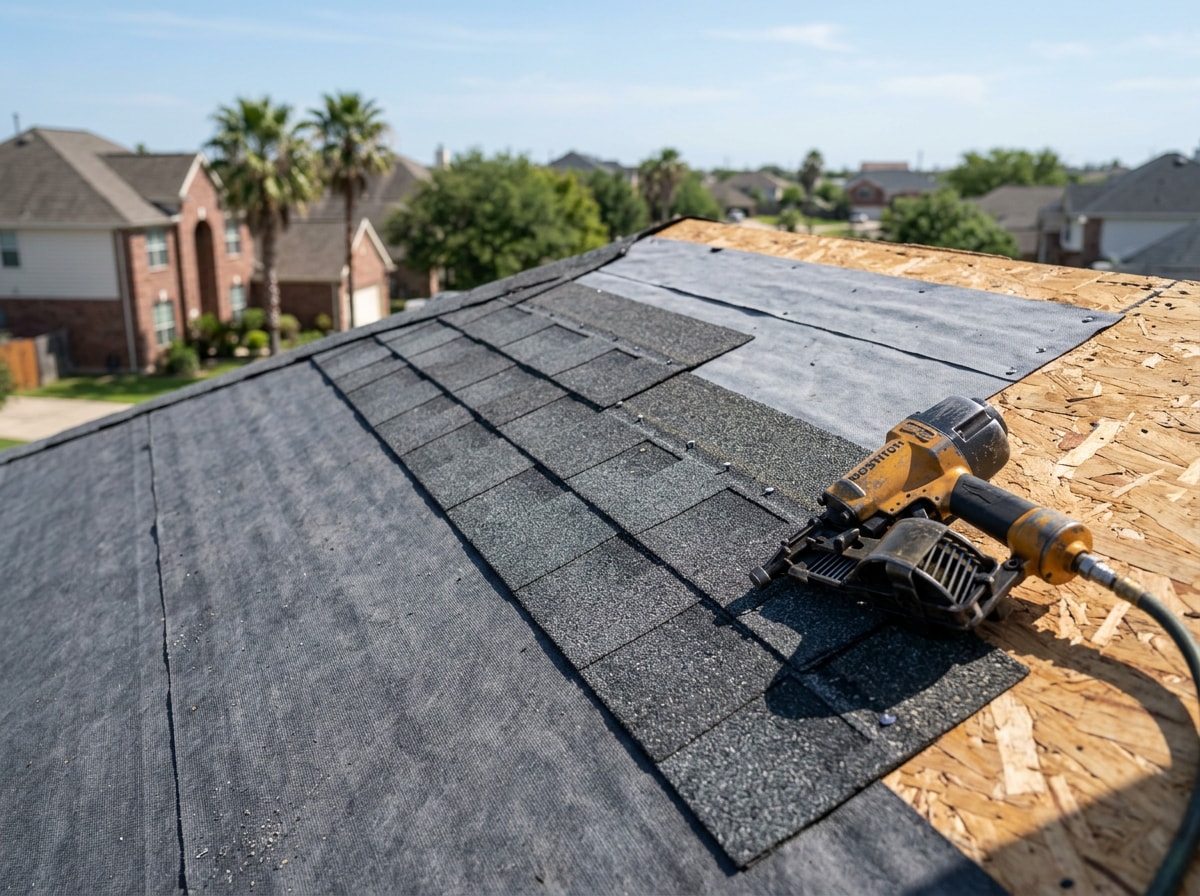
Residential roofing covers everything from new-construction installs to full tear-off replacement. Common signs you need replacement rather than a patch:
- Curling, cupping, or missing shingles
- Heavy granule loss showing up in the gutters
- Soft spots or sag in the decking
- Leaks that return after a repair
A straightforward replacement typically includes tear-off, decking inspection, underlayment, and a manufacturer-backed shingle or metal system rated for coastal wind exposure.
Commercial Roofing
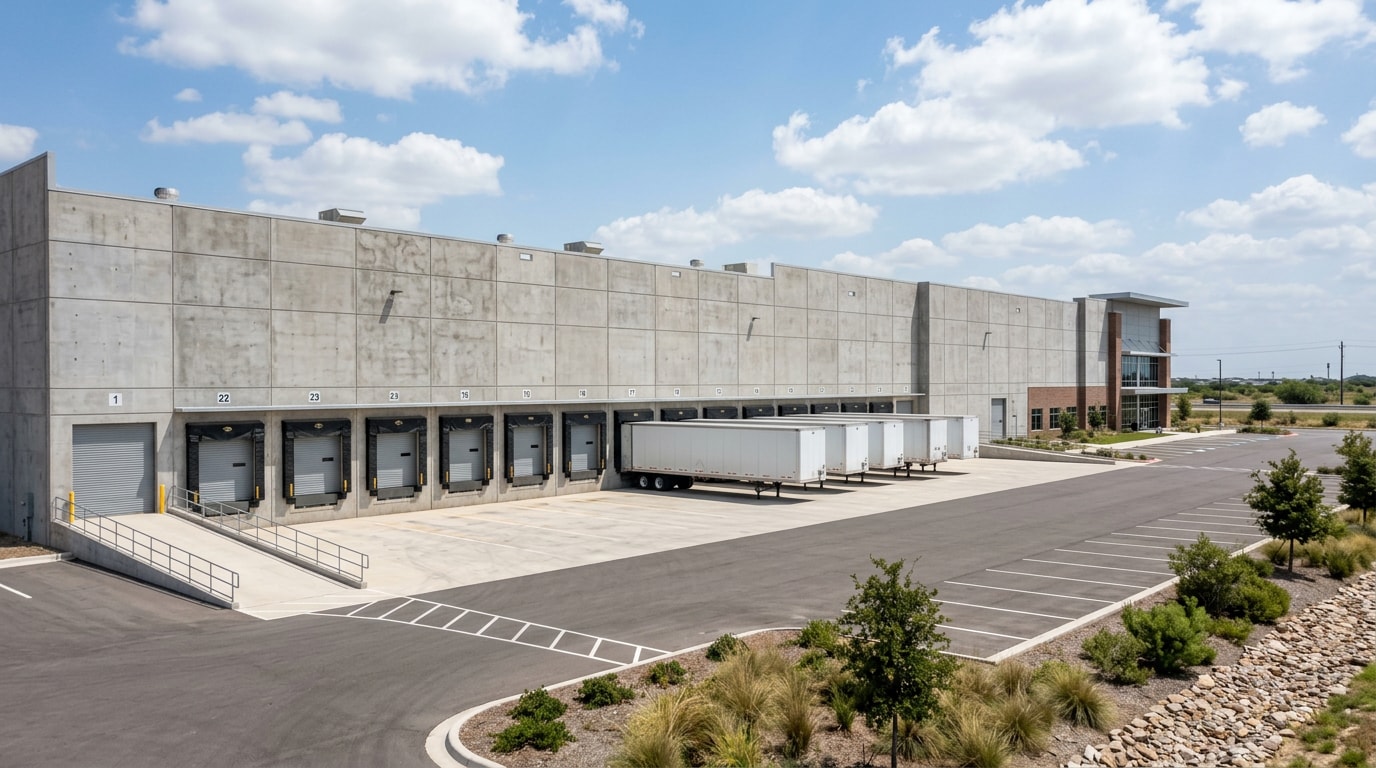
Commercial roofing covers flat roofs, membrane systems, and retrofits for retail, office, and industrial properties. Small leaks on a flat roof escalate fast, so a dependable commercial contractor should schedule routine inspections rather than waiting for a call. Prompt business roof repair keeps operations running and avoids a far more expensive emergency job later.
Roof Repair & Emergency Response
Storms move fast on the coast, and damage rarely waits for business hours. Reliable emergency repair means a contractor who answers after hours, tarps active leaks the same day, and documents hail or wind damage for your insurance file before it's forgotten.
Roof Inspections
A professional inspection is a visual and physical check of flashing, decking, shingle wear, and attic ventilation, usually completed in under an hour with a written report. Book one annually, or right after any significant hail or wind event. Many contractors offer a free inspection as a no-pressure first step.
Metal Roofing vs. Asphalt Shingles: Which Fits Your Gulf Coast Home?
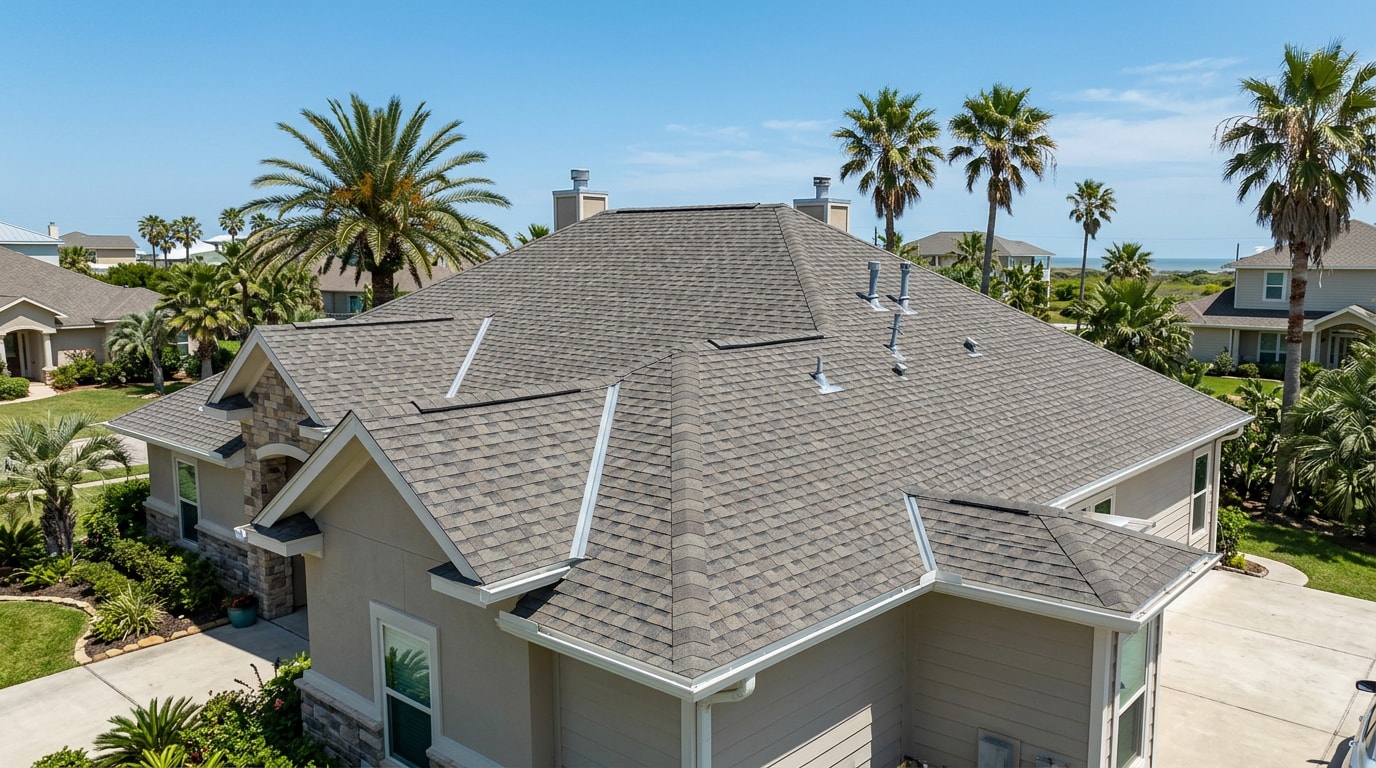
Metal roofing generally outlasts asphalt shingles and resists wind uplift better, but it costs more upfront. Shingles remain the budget-friendly default for most South Texas homes that still need storm-ready, code-compliant coverage. The right call depends on your budget, how long you plan to stay in the home, and your tolerance for upfront cost versus long-term savings.
| Factor | Asphalt Shingles | Metal Roofing |
|---|---|---|
| Average lifespan | 15–25 years | 40–60 years |
| Typical cost (per sq. ft.) | $4.50–$7.00 | $8.00–$14.00 |
| Wind resistance | Commonly rated to ~130 mph | Commonly rated to 140–150+ mph |
| Maintenance | Moderate, periodic shingle replacement | Low, occasional fastener checks |
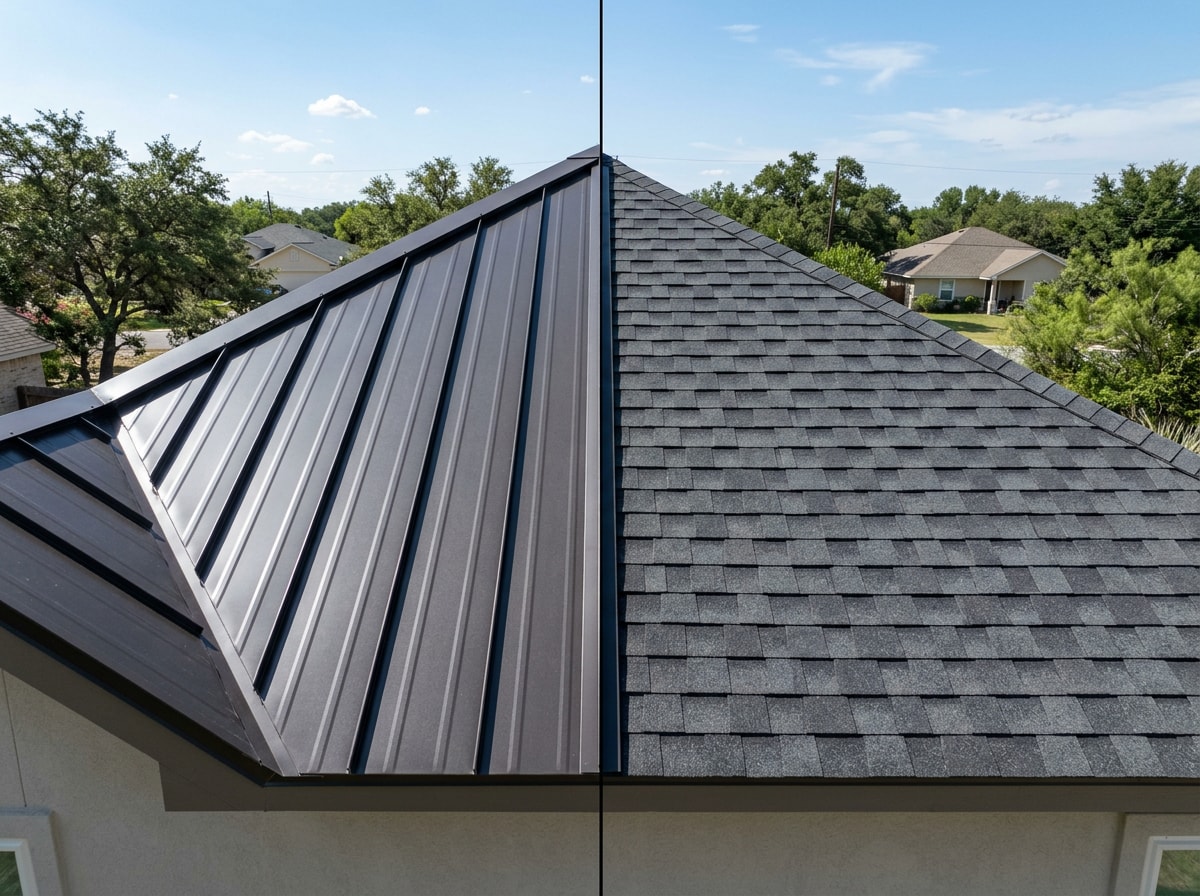
Both materials can meet the state's windstorm requirements when paired with the correct underlayment and fastening pattern, so the "better" material is really the one your contractor can properly certify for your specific home. Metal also tends to win on heat reflectivity, which matters during Coastal Bend summers.
Manufacturer Certifications & Warranties
Certifications like GAF Master Elite or Owens Corning Preferred Contractor status signal that a crew has met a manufacturer's training and volume standards, not just passed a background check. Master Elite contractors are entrusted to offer GAF enhanced warranties including the Golden Pledge Limited Warranty , a tier most standard installers can't register. When vetting a certified contractor, ask which manufacturer programs they currently hold (certifications lapse annually) and exactly what warranty tier that status unlocks for your project.
Insurance Claims, WPI-8 Paperwork & Financing
Storm damage usually means dealing with an adjuster, and an experienced roofer can help document damage, meet the adjuster on-site, and support your claim paperwork. The contractor isn't your insurer, though, so confirm coverage details directly with your carrier before work begins.
If you're filing a wind or hail claim in a WPI-8 county, ask your contractor two questions up front: who is filing the windstorm inspection paperwork, and will the completed roof come with its own certificate of compliance for your records. Since June 2020, the Texas Department of Insurance issues these certificates directly through its windstorm certification program, so your contractor should be able to point you to the record once the job closes out.
For financing, many companies offer payment plans so a full replacement doesn't have to be paid upfront. If your project is part of a larger renovation, our team at Revitalizing Renovations can help you sequence roofing alongside other scopes of work. Request a free estimate before you commit to a full contract.
How to Vet a Roof Builder Before You Sign
Not every roofing company operates the same way. Run through this checklist before you hire:
- Licensing and insurance. Ask to see current proof of both, not a verbal assurance.
- Local track record. A locally owned crew that's handled permitting and WPI-8 inspections here for years is easier to verify through past customers and permit history than an out-of-town storm-chaser.
- Manufacturer certification. Confirm the program and the warranty tier it unlocks.
- Written estimate. It should include a physical roof walk, photos of problem areas, and a documented scope, not just a number over the phone.
- Scope clarity on larger projects. If your roof work overlaps with framing, additions, or concrete slab work, a management contracting) approach keeps one party accountable for scheduling across trades instead of leaving you to coordinate subcontractors yourself.
Quality workmanship shows up in details: clean flashing, proper ventilation, and a tidy job site at the end of each day. The lowest bid isn't always the best value if it skips steps that protect the roof long-term.
Reviews, Red Flags, and Local Reputation
Verified reviews on Google and the Better Business Bureau tell you more than a polished sales pitch. Read recent reviews and look for patterns around communication, cleanup, and follow-through, not just star counts. A few red flags worth walking away from:
- Pressure to sign the same day as a free inspection
- No mention of windstorm/WPI-8 compliance on a coastal job
- A business address or phone number that changes between storm seasons
- Reluctance to provide manufacturer certification numbers you can independently verify
FAQ
How much does a new roof cost in Corpus Christi, Texas?
Typical 2026 material and labor pricing in South Texas runs roughly $4.50–$7.00 per square foot for asphalt shingles and $8.00–$14.00 per square foot for metal, though pricing shifts with roof pitch, material availability, and labor demand. Getting several written quotes is the only reliable way to pin down pricing for your specific roof.
What is the "25% rule" for roofing?
This isn't a single statewide building code rule; it's a guideline some insurers and jurisdictions use when roof damage covers a large share of the surface, treating it as grounds for full replacement rather than a partial repair. Rules and thresholds vary by insurer and jurisdiction, so confirm how it applies to your policy and permit before assuming it covers your situation.
How much does it cost to replace a 2,800 sq. ft. roof?
Using the cost ranges above, a 2,800 sq. ft. roof typically runs $12,600–$19,600 for asphalt shingles or $22,400–$39,200 for metal. Roof complexity, pitch, and material choice move that number in either direction.
Do I need a WPI-8 certificate for a new roof in Corpus Christi?
In most cases, yes. Nueces County is part of the state's designated catastrophe area, and most new roofs, re-roofs, and major repairs there need a windstorm inspection and certificate of compliance to remain eligible for windstorm insurance. Confirm directly with your contractor and, if needed, the TDI Windstorm Inspection Program before work begins.
What are the best roofing companies in Corpus Christi, Texas?
There's no single "best" company for every situation, but the strongest candidates share four traits: current licensing and insurance, an active manufacturer certification like GAF or Owens Corning, verified and recent local reviews, and a documented process for WPI-8 windstorm compliance. Weigh those together rather than choosing on price alone.
How long does a typical roof replacement take?
Most residential tear-off and replacement jobs take one to three days once materials are on-site, weather permitting. Commercial flat-roof jobs and larger or steeper residential roofs can take longer, and any required WPI-8 inspection adds scheduling time on top of the install itself.
Ready to compare roof builders Corpus Christi, TX homeowners can actually verify? Get a free estimate and ask every contractor the windstorm-compliance questions in this guide before you sign.