Civil engineering contractors Portland, TX property owners hire face a different job than most Texas firms because this peninsula's clay soil and hurricane exposure turn routine site work into high-stakes engineering. Choosing the right one means checking licensing, windstorm experience, and service scope before a single stake goes in the ground. Here's what actually separates a qualified firm from one with just a polished website.
By the team at Revitalizing Renovations, licensed remodeling and construction contractors serving Portland, TX and the Coastal Bend. We coordinate directly with civil engineers on room additions, porch conversions, and drainage work in San Patricio County, and this guide reflects that hands-on experience. Questions about a specific project? Contact us.
What a Civil Engineering Contractor Actually Does
A civil engineering contractor plans and designs the ground-level systems a building sits on: grading, drainage, utility connections, roads, and site layout. This is different from a general contractor, who builds according to approved plans, and different from a structural engineer, who designs the load-bearing parts of the building itself.
On the Texas coast, these roles overlap more than they do inland. A single project near Corpus Christi Bay might need a civil engineer for drainage, a structural engineer for windstorm-rated framing, and a surveyor for boundary data, all before a remodeling contractor ever touches the interior.
Civil Engineer vs. Surveyor vs. Contractor
| Role | What They Do | When You Need Them |
|---|---|---|
| Civil Engineer (PE) | Designs grading, drainage, and utility plans; stamps documents for permitting | Before site work starts, especially on waterfront or flood-prone lots |
| Land Surveyor (RPLS) | Establishes legal boundaries, easements, and elevation data | Before design work, for permitting and platting |
| Remodeling/General Contractor | Builds additions, conversions, and interior upgrades per approved plans | After civil and structural plans are approved, through construction |
Licensing: The Non-Negotiable First Check
Texas law is specific here. A licensed Professional Engineer, or PE, must stamp civil design documents before a permitting office will review them. Texas licenses engineers in all areas of practice, from civil, electrical, environmental, mechanical, and structural engineering to computer, nuclear, petroleum and beyond. The Texas Board of Professional Engineers and Land Surveyors regulates and enforces this requirement statewide.
Before hiring, ask for the firm's PE license number and verify it directly with the board rather than taking a website claim at face value. Firm size matters less than this one credential.
Why Coastal Projects Need Civil, Structural, and Windstorm Expertise Together
Portland, TX sits inside San Patricio County's designated catastrophe area, which changes how every civil project gets designed and insured.
The Windstorm Inspections Program applies to structures located in the designated catastrophe areas, known as Texas' First Tier Counties: Aransas, Brazoria, Calhoun, Cameron, Chambers, Galveston, Jefferson, Kenedy, Kleberg, Matagorda, Nueces, Refugio, San Patricio, Willacy, and certain cities east of State Highway 146 in Harris County. That means site drainage, foundation design, and wind-resistant construction all have to satisfy both the city and the Texas Windstorm Insurance Association, not just one or the other.
A firm that handles civil site work, structural design, and windstorm compliance under one roof can coordinate these requirements instead of forcing a homeowner to manage three separate vendors. Ask any prospective firm how they handle hurricane-zone drainage and wind loads together. If they can't answer specifically, keep looking.
Core Civil Engineering Services to Expect
A full-scope civil engineering contractor in Portland, TX typically covers:
- Site development - feasibility review, grading, and layout planning
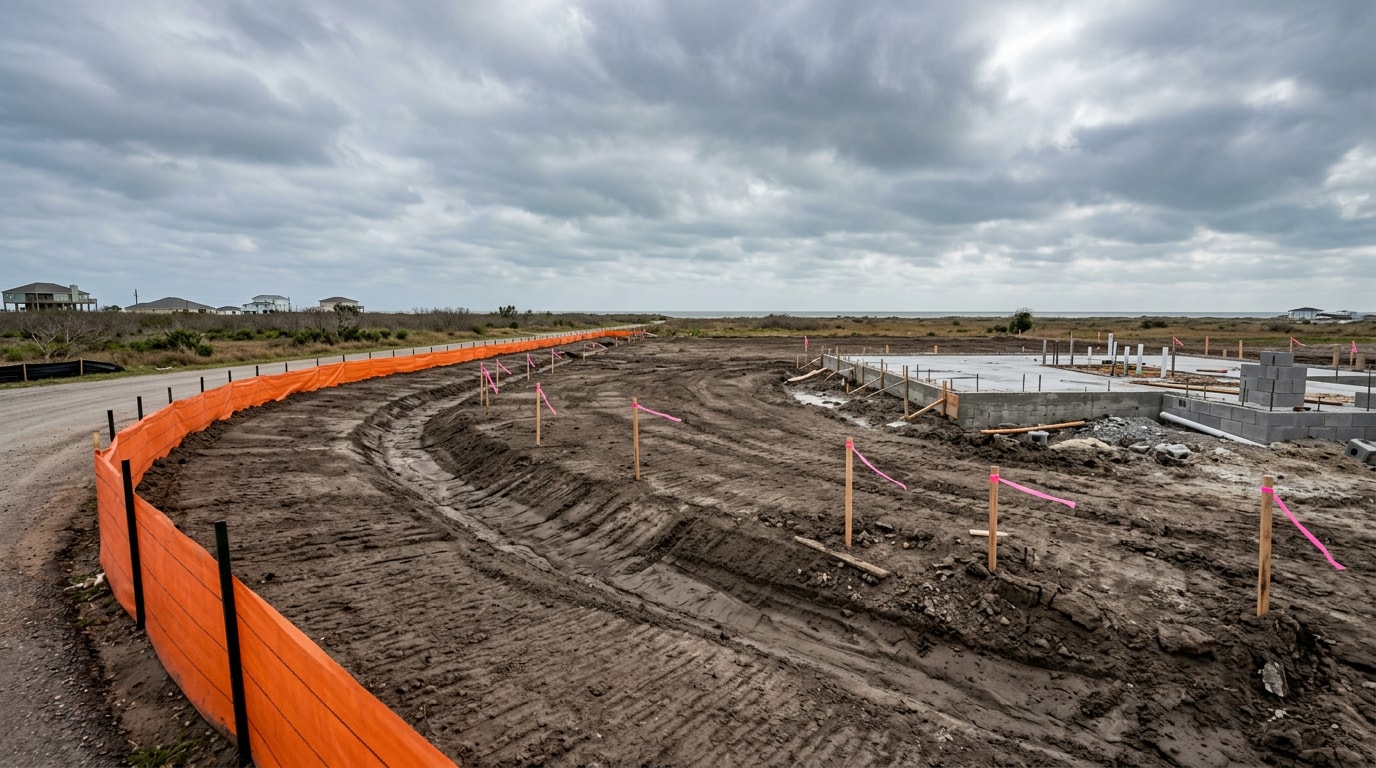
- Drainage and stormwater design - critical on a bay-front peninsula where runoff has nowhere flat to go
- Utility coordination - connecting new construction to water, sewer, and power
- Land development engineering - subdivision platting and infrastructure for new lots
- Land surveying - boundary and topographic surveys required before permitting
- Construction engineering and inspection - verifying built work matches approved plans
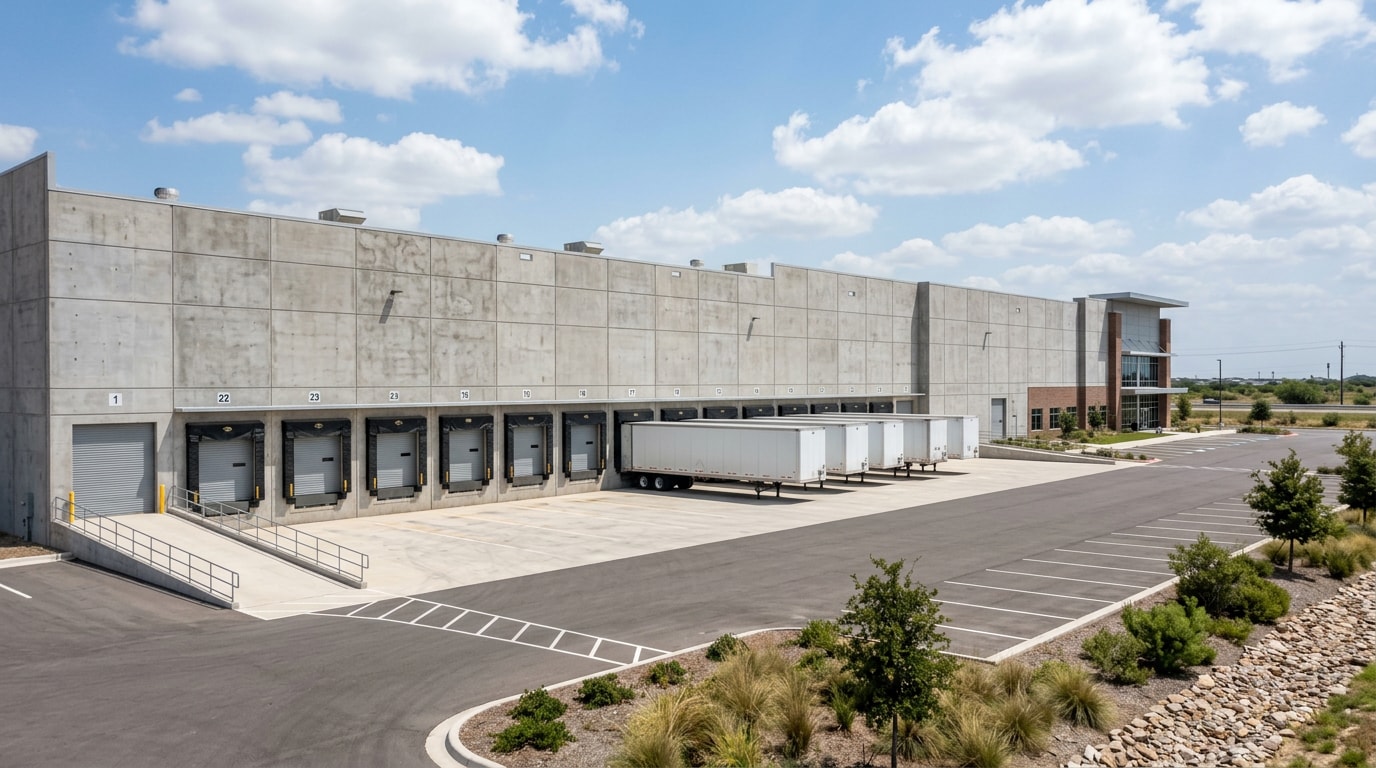
- Port and waterfront engineering - relevant given Portland's proximity to the Corpus Christi Ship Channel
Some firms bundle these in-house; others subcontract pieces like surveying or lab testing. Either approach can work, but ask upfront who is actually responsible for each phase.
Windstorm Certification: What It Covers
Windstorm certification is a formal inspection confirming a building meets wind-resistance standards for Texas coastal counties. Without it, many owners in San Patricio County can't get windstorm coverage through the Texas Windstorm Insurance Association at all.
Certification examines roof-to-wall connections, opening protection, and wind-resistant construction methods against the state's coastal building code. A contractor who understands this process builds compliance into the design phase instead of retrofitting it after a failed inspection. Current program details, including which counties and cities are covered, are published by the Texas Department of Insurance.
For homeowners replacing exterior doors or windows as part of a storm-hardening project, those products also need to meet windstorm standards. Our window replacement and exterior door installation work is scoped around those same code requirements once the civil and structural plans are approved. (Links use the {{SITE_URL}} token in the live post.)
Land Development and Port Construction
Land development engineering covers the groundwork before vertical construction starts, including drainage planning and utility extension to new lots. Good planning here prevents expensive conflicts once roads and lots are already platted.
Portland's location near the Corpus Christi port also makes marine and waterfront experience relevant for some projects. Work within navigable waters falls under federal jurisdiction in addition to local permitting. Regional general permits apply within navigable waters of the U.S. within the SWG boundaries, excluding waters located in Louisiana and the Gulf of America, according to the U.S. Army Corps of Engineers Galveston District. A firm with prior waterfront experience already knows these extra approval steps going in.
How Civil Engineering Fits Into Your Remodeling Project
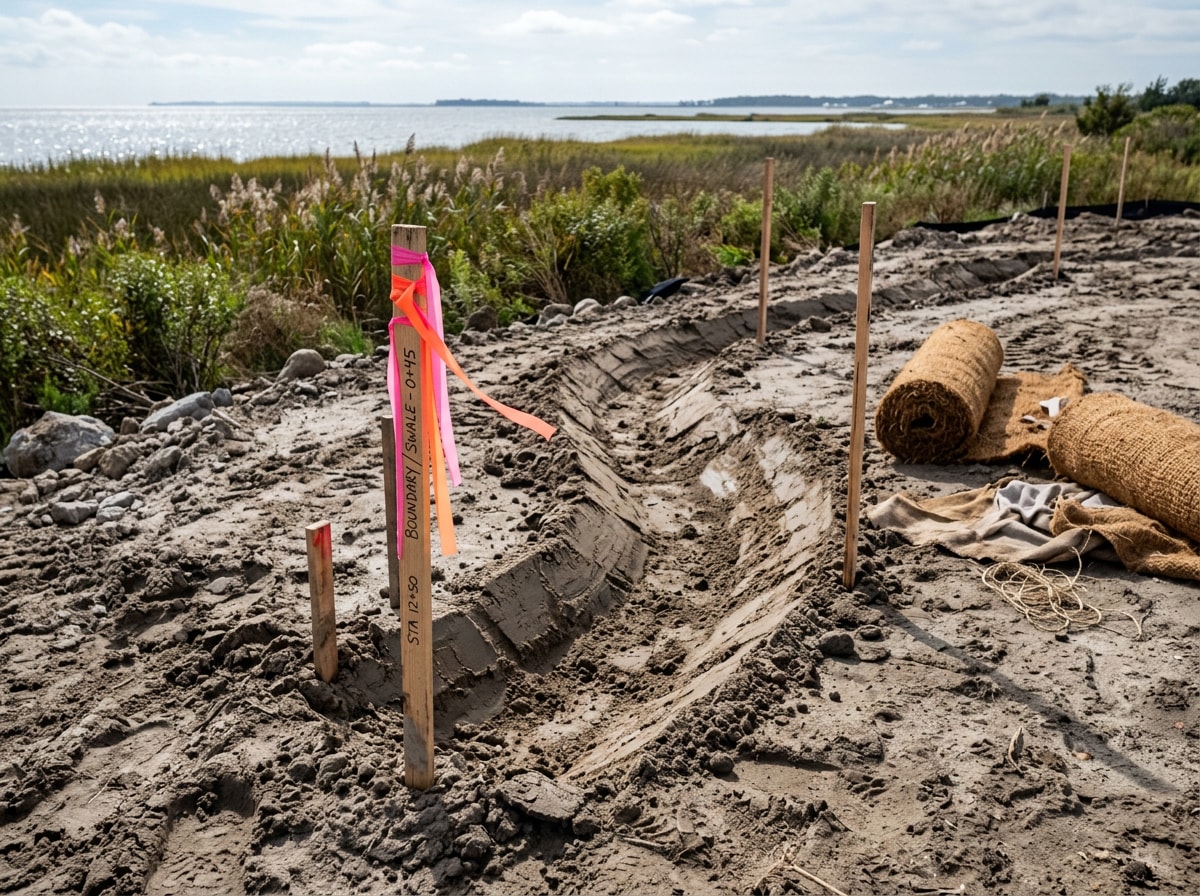
Homeowners don't usually think about civil engineering until a permitting office asks for a drainage plan or an elevation certificate. That request most often shows up on:
- Room additions and bump-outs that change a home's footprint or roofline
- Glass room and sunroom extensions that add impervious surface area
- Porch conversions that affect drainage patterns around the foundation
- New construction on vacant or recently platted lots
If your project touches any of these, a civil engineer typically needs to sign off before a remodeling contractor can pull permits. We've coordinated this handoff directly on Portland-area projects, including the drainage review on our own glass room extension work and the planning stage of several porch conversions near the bay. Getting the civil review right the first time avoids redesign costs later in construction.
How to Vet a Civil Engineering Contractor: A Short Checklist
Before signing a contract, confirm:
- Active PE license, verified directly with the Texas Board of Professional Engineers and Land Surveyors
- Documented experience with windstorm certification in San Patricio County specifically, not just "coastal Texas" in general
- A clear answer on who handles surveying, inspection, and permitting coordination
- A project portfolio spanning multiple years, not a single flagship job
- A written process for handling change orders when soil tests or permitting feedback shift the plan
A firm that handles the civil and structural side well sets up a smoother construction phase for everyone downstream, including your remodeling contractor. If your project is ready for that next phase, get a free estimate from our team, or explore our general contracting guide for Portland, TX for what comes after the civil plans are approved.
We serve Portland and the surrounding Coastal Bend, including Corpus Christi, Flour Bluff, and Calallen. Visit our homepage to see the full range of services we coordinate alongside civil and structural work.
FAQ
Who is a contractor in civil engineering?
A civil engineer designs plans and stamps them for permitting. A contractor builds according to those plans on site. Some firms do both, but Texas licensing requirements for each role stay separate.
What are the best civil engineering companies in Texas?
There's no single ranked answer. Strong candidates share three traits: active PE licensing, documented coastal or windstorm project experience, and a verifiable project portfolio. Check these before relying on review scores alone.
How much do civil engineers make in TX?
The annual mean wage for civil engineers in Texas was $95,740 , according to the most recent official data from the U.S. Bureau of Labor Statistics. Entry-level pay runs lower; experienced engineers and principals earn more.
Can you make $500,000 as a civil engineer?
Typical salaried positions fall well below that figure. Earning near $500,000 is realistic only for firm owners or principals with significant ownership stakes, not standard employees.
What's the difference between a civil engineering contractor and a general contractor?
A civil engineering contractor handles site-level design work: grading, drainage, utilities, and permitting plans. A general or remodeling contractor builds the structure itself once those plans are approved. On coastal projects, both are often needed on the same job.
Do I need a civil engineer for a home addition in Portland, TX?
Often, yes, especially if the addition changes your home's footprint, roofline, or drainage pattern. Permitting offices in San Patricio County commonly require a drainage or grading review before approving plans for additions, porch conversions, or new structures.